
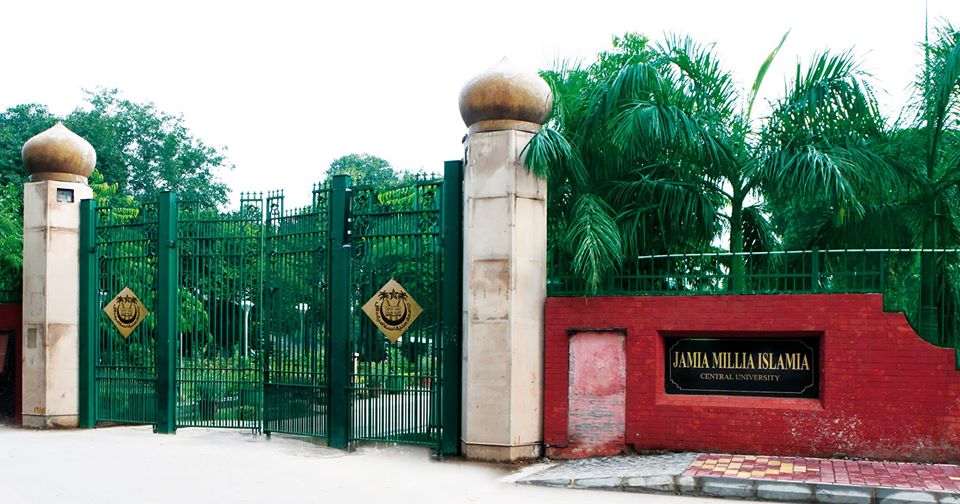
Jamia Millia Islamia is among India’s most distinguished central universities, Prof Mohsin Ali writes.
These movements were fuelled by widespread resentment against British colonial policies, particularly the Rowlatt Act, which sparked protests across the country, and the Jallianwala Bagh massacre of 1919, which left a deep scar on the national conscience.
Jamia was founded on 29 October 1920 at Aligarh. It gave institutional shape to a dream long nursed by the more questioning voices within the Aligarh educational movement. Jawaharlal Nehru later described it as a “lusty child” of the non-cooperation days, a phrase that captures how closely its birth was tied to the energy of that moment.
At its heart was the idea of azadtalim, a self-directed education. Sir Syed Ahmad Khan laid out a different model, founding the Mohammedan Anglo-Oriental College in Aligarh to advance the education of Indian Muslims. That same year, the colonial government raised the college to the status of a university, and Jamia’s founders chose a different path.
ALSO READ: Prof Mohsin Ali appointed Head of Persian Department
Their convictions were clear. Education, they held, should be free of British control. Learners should be taught in their mother tongue, and the curriculum should rest on the religious, moral and cultural traditions that students and teachers already knew. Above all, learning had to speak to the rising nationalist aspirations of the Indian people.

Having completed more than a century of its remarkable journey, this glorious institution continues to uphold and carry forward the vision and ideals of its founders.
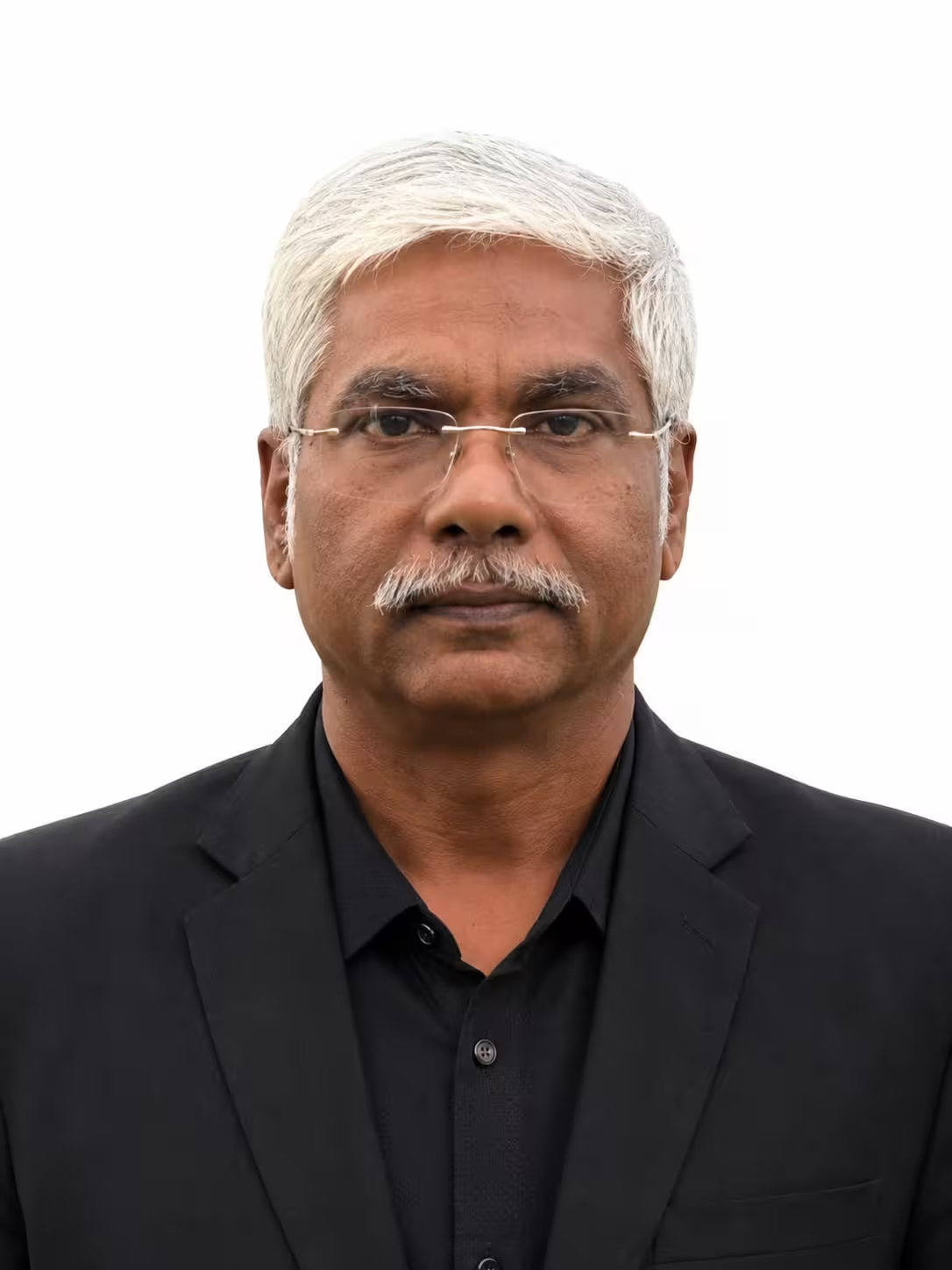
Over the past two years, under the leadership of its Vice-Chancellor, Prof Mazhar Asif, Jamia Millia Islamia has sought to build upon this rich legacy while navigating the changing landscape of higher education. His stint also deserves attention. His assumption of office marked another chapter in the university’s enduring journey of academic growth, institutional development and commitment to its founding principles.
A scholar at the helm
A significant chapter in Jamia Millia Islamia’s institutional journey began with the appointment of JNU academician, Prof Asif, as its Vice-Chancellor. In October 2024, the President of India, in her capacity as the university’s Visitor, appointed him, and he became the 16th Vice-Chancellor of the varsity, filling a position that had remained vacant for one year.

Prof Asif brings to the office a rich academic background shaped by his engagement with Indian languages, literature, Sufi traditions, and cultural studies, and, most importantly, his deep fascination with exploring India’s rich knowledge traditions. Before taking up his new assignment, he served as a professor at the Centre for Persian and Central Asian Studies at Jawaharlal Nehru University.
He also played an important leadership role on the committee responsible for drafting the National Education Policy (NEP), India’s comprehensive framework to transform the country’s school and higher education systems, and participated in the NAAC peer team.
His understanding of education extends well beyond the conventional objectives of acquiring degrees and securing employment. He regards education as a transformative process that shapes character, nurtures critical thinking and develops a sense of social responsibility. Reflecting this philosophy, he has placed particular emphasis on student welfare, paying close attention to essential concerns such as hostel facilities, campus security, food, and accommodation. His approach underscores the belief that an institution’s progress must be measured not only by academic achievements but also by the quality of care and opportunities it provides to students.
Steering Jamia towards accolades
Jamia Millia Islamia has made notable strides in national and international university rankings in recent years, reflecting its growing academic standing and institutional progress. In the QS World University Rankings 2027, released in June 2026, the university rose 75 places to secure 686th place globally. Its performance was equally encouraging in the Times Higher Education World University Rankings 2027, released in August 2026, where it entered the 501–550 ranking band.
At the national level, Jamia secured the 13th position in the overall category and ranked fourth among universities in the NIRF 2025 rankings. Its achievements extended to specialised disciplines, with the university securing third place in the category associated with the Sustainable Development Goals, fifth place in architecture and eighth place in law. Its A+ accreditation grade further reinforces its reputation for academic excellence and institutional quality.
Although university rankings cannot capture every dimension of academic achievement and often place considerable emphasis on measurable indicators such as research publications, citations and international collaborations, Jamia’s improved standing across multiple independent ranking frameworks is significant. This consistent upward movement suggests sustained institutional progress rather than an improvement attributable merely to the methodology of any one ranking system.
Nurturing scientific temper and academic pursuits
Jamia Millia Islamia continues to uphold its commitment to inclusive education by extending learning opportunities to students from different regions of the country. During the 2025–26 academic session, approximately 22,500 candidates appeared for the Class XI entrance examinations, with average attendance exceeding 90 per cent. Establishing examination centres in cities such as Srinagar, Kolkata, Patna and Lucknow enabled students from distant parts of the country to participate more conveniently in the admission process. This initiative reflects the university’s founding vision of making education accessible to communities and sections of society that have historically had limited learning opportunities. The university has also taken steps to nurture scientific curiosity and encourage innovation among students.
Promoting cultural ethos and shared values
Jamia Millia Islamia has continued to promote knowledge dissemination and intellectual curiosity through various educational initiatives. During the 2025 celebrations marking the university’s 105th Foundation Day and the ten-day Taleemi Mela (Education Fair), more than 20,000 books were distributed. The initiative aimed to encourage reading habits and strengthen a culture of learning and knowledge-sharing among students and the wider community.
Prof Asif’s academic engagement with Persian literature and his longstanding interest in Sufi and Bhakti traditions have given him a deep understanding of the historical and cultural synthesis between Islamic and Hindu thought.
His scholarship reflects an appreciation of the shared spiritual and humanistic values that transcend religious boundaries and provide a foundation for communal harmony, mutual respect and peaceful coexistence. This understanding was reflected in his significant lecture, “Rumi and Kabir: A Comparative Study.”Through a nuanced exploration of the spiritual philosophies of the thirteenth-century Persian mystic Rumi and the fifteenth-century Bhakti poet Kabir, Prof Asif highlighted their shared emphasis on love, humanity, brotherhood, and the transcendence of narrow religious identities.
Focusing on the universal values of love, tolerance, human dignity, brotherhood and communal harmony, and peaceful coexistence, the lecture highlighted the enduring relevance of their teachings in contemporary society. It also reflected Jamia’s longstanding multicultural and pluralistic ethos, while drawing upon Prof Asif’s academic expertise in Persian literature and Sufi traditions.
The road ahead
The achievements of Jamia Millia Islamia are the outcome of the collective efforts of its teachers, students, researchers, non-teaching staff and administrators. While the entire university community shapes institutional progress, effective leadership plays a vital role in providing direction and creating an environment conducive to excellence.
Under Prof Asif’s leadership, Jamia has significant opportunities to strengthen research quality, expand digital learning, explore the potential of artificial intelligence, develop employment-oriented academic programmes, and further improve student welfare.
The larger challenge lies in translating the university’s improving position in national and international rankings into sustained research excellence, meaningful academic outcomes and enhanced career opportunities for graduates. Equally important is ensuring that the pursuit of modernisation and academic competitiveness remains firmly rooted in the inclusive, pluralistic, and democratic ethos that has defined Jamia since its inception.
The task ahead is not merely to consolidate Jamia’s achievements but also to strengthen its position as an institution that combines academic excellence with social commitment and a deep sense of national responsibility.
(Prof Mohsin Ali is Head, Department of Persian, Jamia. Views are personal)
